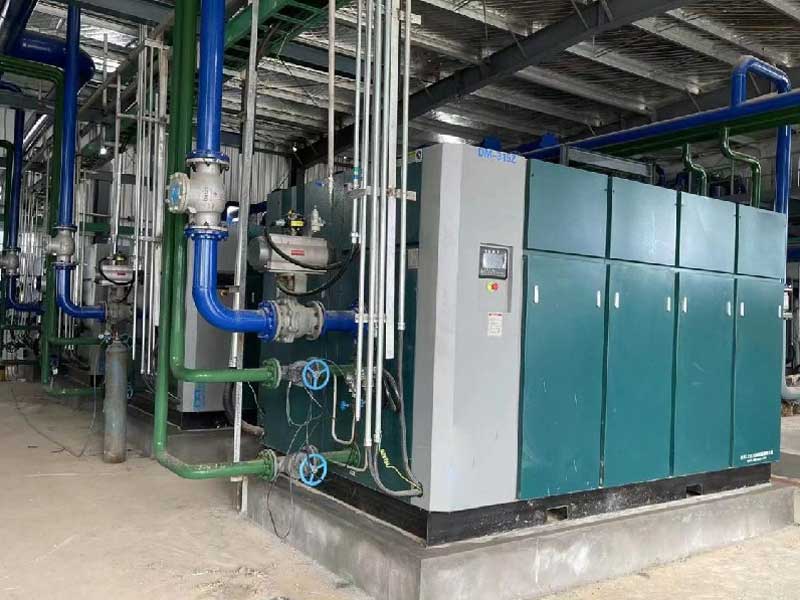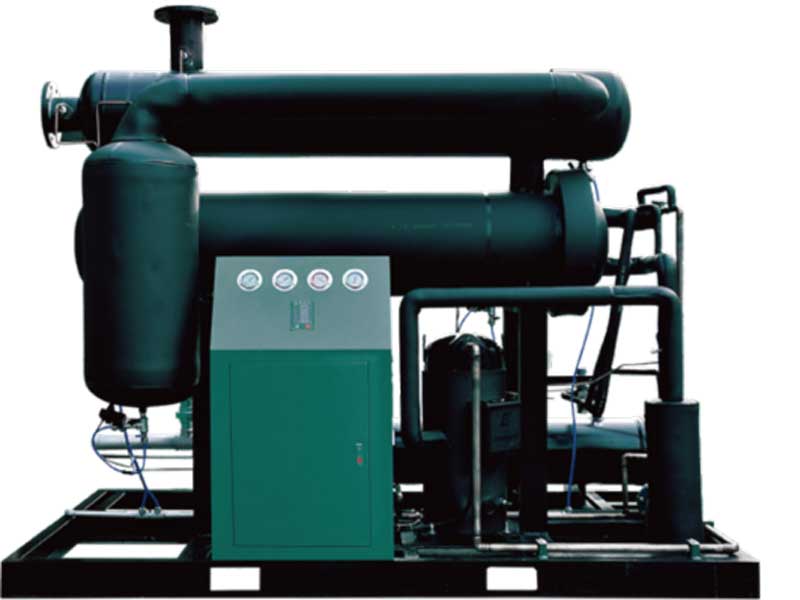
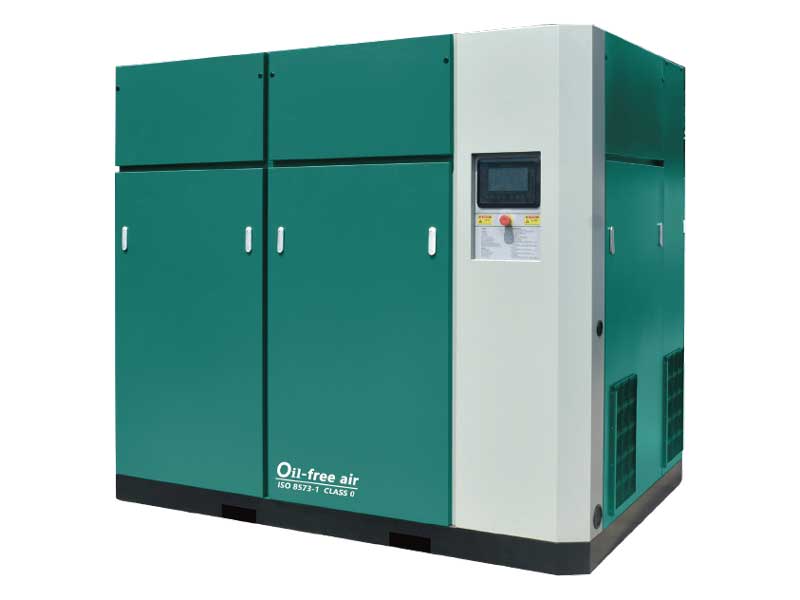
In modern healthcare facilities, every piece of equipment plays a critical role in patient safety, clinical efficiency, and regulatory compliance. Among these essential tools, the oil-free air compressor stands out as a silent yet indispensable component that powers a wide range of medical applications. Unlike traditional oil-injected compressors, oil-free air compressors eliminate the risk of oil contamination, ensuring the delivery of pure, clean compressed air that meets the strictest medical standards. For hospitals, dental clinics, surgical centers, laboratories, and pharmaceutical facilities, investing in a high-quality oil-free air compressor is not just a choice—it is a necessity to maintain operational integrity and protect patient health.
Medical-grade compressed air is used in countless daily procedures across healthcare settings. It powers surgical tools, dental handpieces, ventilators, anesthesia machines, and respiratory therapy equipment. It also supports laboratory testing, medical device sterilization processes, and pharmaceutical manufacturing lines. In these sensitive environments, even tiny traces of oil, moisture, dust, or bacteria can have severe consequences. Contaminated air can lead to infections, equipment malfunctions, inaccurate test results, and violations of health and safety regulations. This is why oil-free air compressor for medical use has become the global standard for healthcare applications, providing a reliable source of contaminant-free compressed air that healthcare providers can trust.
One of the most significant advantages of oil-free air compressors in medical settings is their ability to deliver ultra-clean air. Traditional compressors use oil for lubrication, which can mix with compressed air and form aerosols or residues. These oil contaminants are dangerous when inhaled by patients, especially those undergoing surgery or with respiratory conditions. Oil-free models, however, are designed with specialized non-lubricated components or food-grade lubricants that prevent oil from entering the air stream. Advanced filtration systems, including activated carbon filters, coalescing filters, and particulate filters, further remove impurities, moisture, and odors. The result is medical-grade air that complies with international standards such as ISO 8573-1, which sets strict limits for contaminants in compressed air used in healthcare. This level of purity is non-negotiable in environments where patient safety is the top priority.
Reliability is another key feature of oil-free air compressors designed for medical use. Healthcare facilities operate 24 hours a day, seven days a week, and any interruption in compressed air supply can disrupt critical medical procedures. A sudden compressor failure during surgery, respiratory treatment, or laboratory work can put patients at risk and cause costly delays. Medical-grade oil-free compressors are built with heavy-duty, durable components that ensure continuous, stable performance. They feature robust motors, efficient cooling systems, and advanced control panels that monitor operation in real time. Many models include backup systems and automatic safety shut-offs to prevent downtime. With minimal maintenance requirements and long service life, these compressors provide consistent air flow and pressure, giving medical staff the confidence to focus on patient care without worrying about equipment reliability.
In addition to cleanliness and reliability, oil-free air compressors for medical use offer superior safety and compliance features. Healthcare facilities must adhere to strict regulations from organizations such as the FDA, EU Medical Device Regulations, and WHO. Using non-compliant equipment can result in fines, legal issues, and damage to a facility’s reputation. Oil-free medical compressors are manufactured and tested to meet these rigorous standards. They are constructed with materials that resist corrosion and bacterial growth, making them suitable for sterile medical environments. Many models are also designed to be low-noise and vibration-free, which is essential for maintaining a calm, quiet atmosphere in patient rooms, operating theaters, and recovery areas. Reduced noise levels contribute to better patient comfort and help medical staff work more effectively.
The versatility of oil-free air compressors makes them suitable for a wide range of medical applications. In hospitals, they power surgical instruments, ventilators, and pneumatic medical devices. In dental clinics, they provide clean air for dental handpieces, suction systems, and sterilization equipment. For outpatient centers and mobile medical units, portable oil-free compressors offer convenience without compromising performance. In pharmaceutical manufacturing, these compressors ensure that compressed air used in production and packaging does not contaminate medications. Laboratories rely on them for precise, contamination-free air in testing and research. Regardless of the specific medical application, oil-free compressors adapt to diverse needs while maintaining the highest air quality standards.
Energy efficiency is an often-overlooked but important benefit of modern oil-free air compressors for medical use. Healthcare facilities face rising operational costs, and energy consumption is a major expense. Newer oil-free models are engineered with energy-saving technologies such as variable speed drives, optimized motor efficiency, and heat recovery systems. These features reduce power consumption without sacrificing performance, lowering long-term operational costs. Energy-efficient compressors also align with global sustainability goals, helping healthcare facilities reduce their carbon footprint while maintaining critical services. Choosing an energy-efficient oil-free compressor is a smart financial decision and a responsible choice for the environment.
When selecting an oil-free air compressor for medical use, healthcare facilities should consider several important factors. First, air purity and compliance with international medical standards should be the top priority. The compressor must meet or exceed ISO 8573-1 Class 0 or similar standards for oil-free air. Second, reliability and continuous operation are essential—look for models with strong build quality, backup capabilities, and low failure rates. Third, noise levels matter for patient and staff comfort; quiet operation is a must in clinical settings. Fourth, maintenance requirements and service support should be evaluated to minimize downtime. Finally, size, capacity, and energy efficiency should match the facility’s specific needs, whether it is a small dental clinic or a large multi-department hospital.
In conclusion, the oil-free air compressor for medical use is an essential investment for any modern healthcare facility. Its ability to deliver clean, safe, and reliable compressed air supports countless life-saving procedures, protects patients from contamination, and ensures compliance with strict medical regulations. With advantages including ultra-clean air delivery, uninterrupted performance, safety certification, low noise, and energy efficiency, these compressors have become the foundation of clinical operations worldwide. As healthcare technology advances and patient safety standards become even stricter, the demand for high-quality oil-free air compressors will continue to grow. For healthcare providers looking to enhance safety, efficiency, and compliance, choosing a professional oil-free air compressor designed specifically for medical applications is a decision that delivers long-term value and peace of mind.