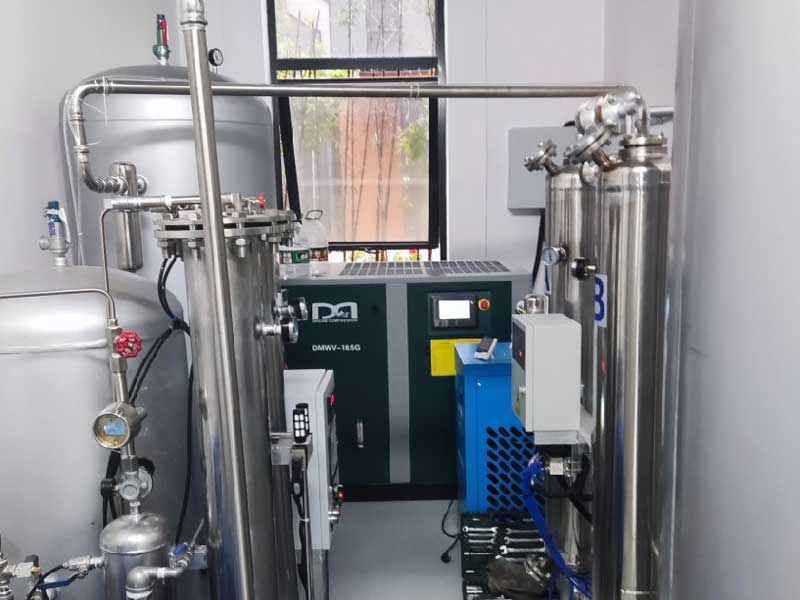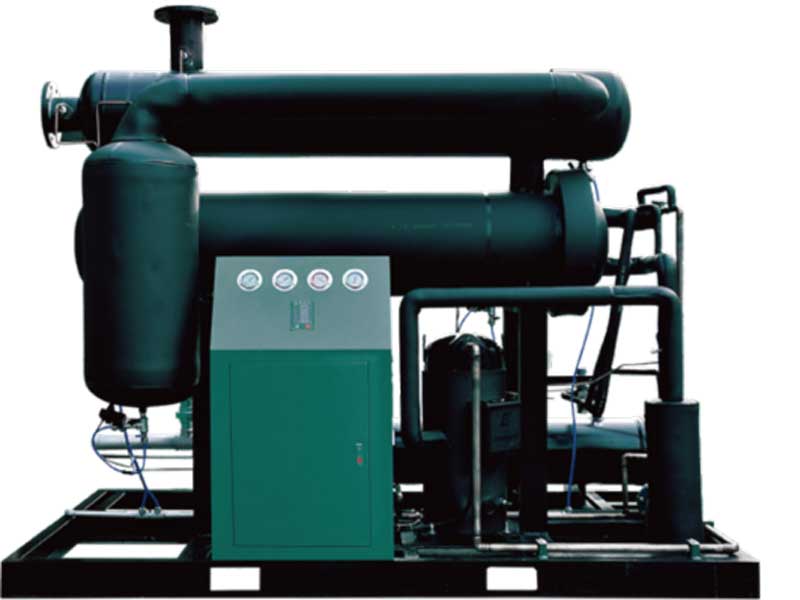
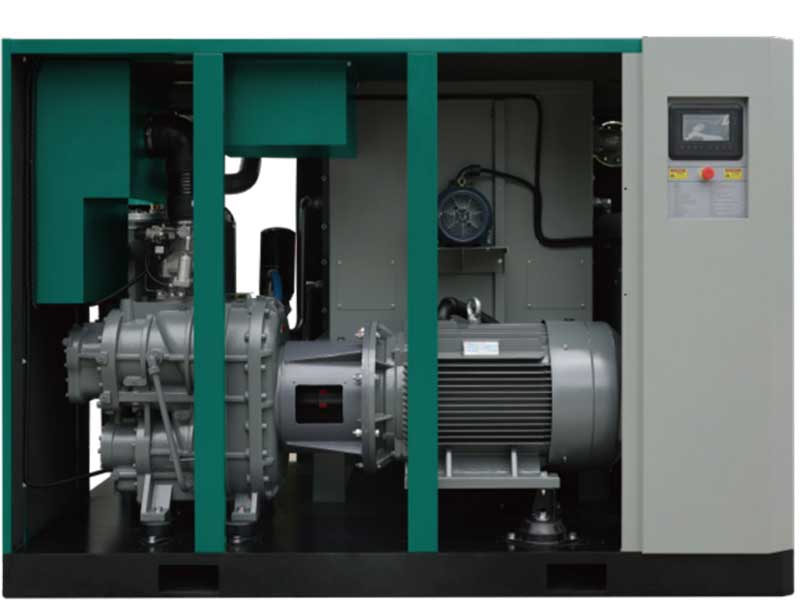
In modern industrial systems, compressed air is one of the most widely used energy sources. However, many enterprises ignore the importance of air drying equipment, leading to high energy consumption, increased maintenance costs, and shortened service life of pneumatic components. The energy saving compressed air dryer has become an essential part of efficient, stable, and low-cost compressed air systems. It not only removes moisture and impurities effectively but also greatly reduces power consumption, helping factories achieve energy conservation and cost reduction.
Water, oil, and dust in compressed air can cause serious damage to pipelines, valves, cylinders, and precision instruments. Moist air in the system will lead to rust, blockage, and equipment failure, which affect production stability and increase maintenance expenses. Traditional compressed air dryers often consume large amounts of electricity, especially during long-term continuous operation. For industrial and manufacturing plants that run 24 hours a day, high energy consumption means increased production costs year by year. The emergence of energy saving compressed air dryers has solved these pain points perfectly.
Energy saving compressed air dryers adopt advanced design concepts and high-performance components to improve efficiency while lowering power consumption. Many models use intelligent control systems, variable frequency technology, and optimized heat exchange structures. These technologies allow the dryer to automatically adjust operating power according to the actual air flow and load, avoiding unnecessary energy waste. Compared with traditional dryers, energy saving models can reduce power consumption by a large margin, which brings obvious economic benefits to users.
Another important advantage of energy saving compressed air dryers is stable performance under different working conditions. Whether in small workshops or large industrial production lines, these dryers maintain high dehumidification efficiency and reliability. They ensure that the compressed air supplied has a low dew point and stable quality, protecting downstream equipment such as pneumatic tools, spraying equipment, food processing machinery, medical devices, and electronic production lines.
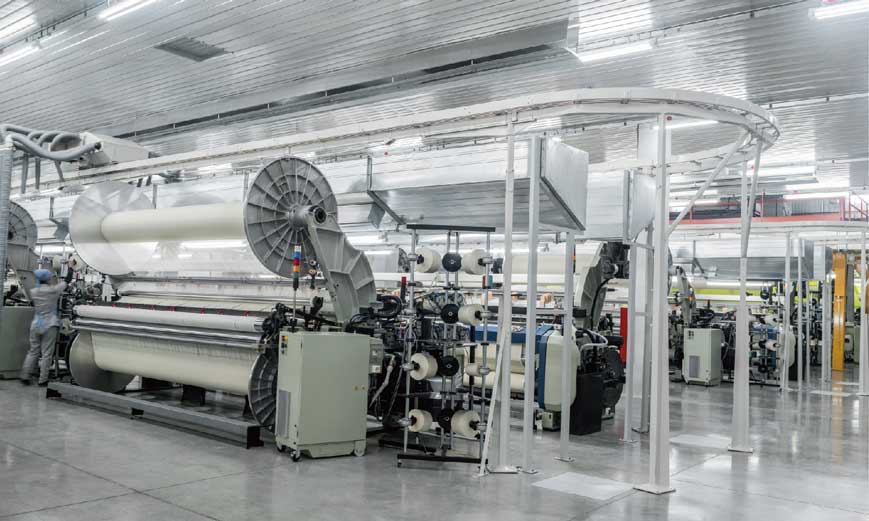
Energy saving compressed air dryers are widely used in many industries, including food and beverage, pharmaceutical, electronics, automobile manufacturing, packaging, printing, textile, and chemical industries. In places where air quality and energy consumption are strictly required, energy saving dryers show outstanding performance. They help enterprises meet production standards, reduce failure rates, and improve overall productivity.
In addition to energy efficiency, these dryers also have the advantages of compact structure, easy installation, low noise, and simple maintenance. The use of high-quality materials and durable components extends the service life and reduces the frequency of replacement and repair. Automatic drainage systems and intelligent monitoring functions further reduce manual operation and make the equipment more user-friendly.
When choosing an energy saving compressed air dryer, users should consider air flow, working pressure, required dew point, installation environment, and power supply. It is important to select a professional manufacturer with reliable quality and perfect after-sales service. A suitable dryer can greatly improve the performance of the entire compressed air system and bring long-term benefits.
With the increasing emphasis on energy conservation and environmental protection worldwide, energy saving compressed air dryers will become more and more popular. They are not only a piece of supporting equipment but also a key investment to help enterprises reduce costs, improve efficiency, and achieve sustainable development. For any factory pursuing stable production and low operation cost, the energy saving compressed air dryer is an indispensable and valuable choice.